
Introduction
INTJ Misunderstood Traits often stem from how reserved, analytical, and future-focused this personality type appears on the surface. Because INTJs prioritize logic, independence, and long-term vision, their intentions are frequently misread.
Many people judge INTJs by what they see: emotional distance, minimal communication, or strong opinions. But these visible behaviors rarely reflect what INTJs actually think or feel inside.
This post explores the most common INTJ Misunderstood Traits and explains what those behaviors truly mean — helping you see INTJs with more accuracy and less assumption.
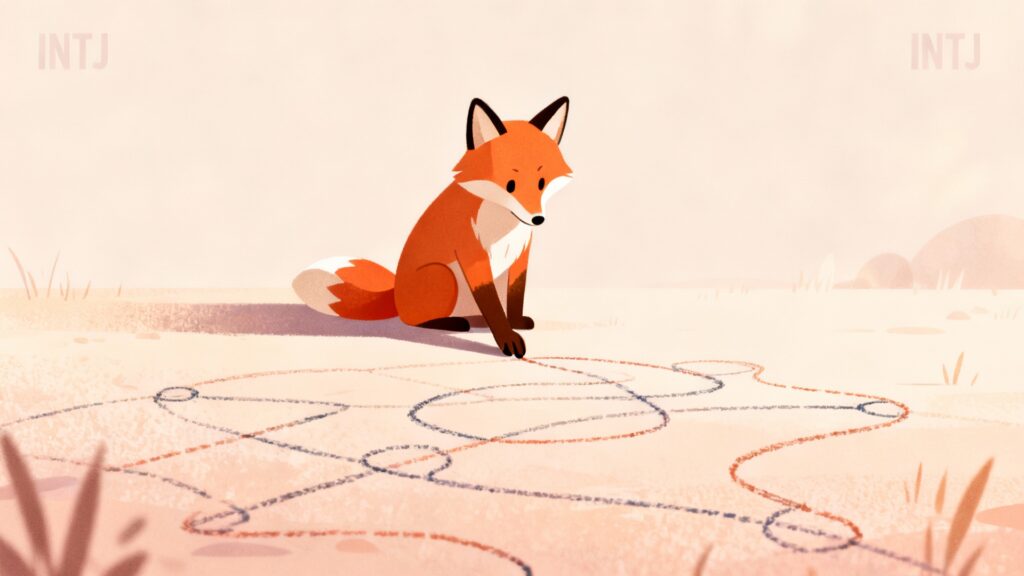
7 Common INTJ Misunderstood Traits
❌ Myth #1: INTJs are cold and emotionally detached
The Myth
INTJs don’t care about people’s feelings.
The Reality
INTJs feel deeply, but they process emotions internally rather than expressing them openly.
Why It Looks This Way
INTJs prioritize problem-solving over emotional expression, which can appear distant.
What to Remember
Emotional restraint is not emotional absence.
❌ Myth #2: INTJs think they are always right
The Myth
INTJs are arrogant and dismissive of other viewpoints.
The Reality
INTJs are committed to accuracy, not ego. They revise their beliefs when presented with better logic.
Why It Looks This Way
They speak decisively only after extensive internal analysis.
What to Remember
Confidence often reflects preparation, not arrogance.
❌ Myth #3: INTJs dislike people
The Myth
INTJs prefer ideas over humans.
The Reality
INTJs value people deeply — but selectively.
Why It Looks This Way
They conserve social energy and invest only in meaningful connections.
What to Remember
Selectivity is a form of respect, not rejection.
❌ Myth #4: INTJs are inflexible
The Myth
INTJs refuse to change their plans.
The Reality
INTJs adapt quickly when new information proves their strategy inefficient.
Why It Looks This Way
They resist change without justification.
What to Remember
INTJs change for better outcomes, not for comfort.
❌ Myth #5: INTJs lack empathy
The Myth
INTJs don’t understand emotions.
The Reality
INTJs experience empathy cognitively before emotionally.
Why It Looks This Way
They offer solutions instead of emotional validation.
What to Remember
Problem-solving is their language of care.
❌ Myth #6: INTJs are pessimistic
The Myth
INTJs always expect the worst.
The Reality
INTJs prepare for risks to build better outcomes.
Why It Looks This Way
They focus on vulnerabilities before celebrating success.
What to Remember
Risk awareness is strategic optimism in disguise.
❌ Myth #7: INTJs don’t need others
The Myth
INTJs are entirely self-sufficient.
The Reality
INTJs value collaboration with competent, trustworthy people.
Why It Looks This Way
They avoid dependency, not connection.
What to Remember
Independence does not cancel interdependence.
Final Thoughts
Understanding INTJ Misunderstood Traits requires separating visible behavior from underlying intention. INTJs often express care, concern, and responsibility through foresight, preparation, and long-term planning rather than through immediate emotional expression. This difference in communication style is the root of many misunderstandings.
Because INTJs think several steps ahead, they may appear distant, critical, or overly serious. In reality, they are often mentally carrying the weight of future outcomes, potential risks, and strategic improvements that others have not yet considered. Their focus on efficiency and accuracy is not meant to diminish people, but to protect systems, relationships, and goals from preventable failure.
When others take the time to understand these INTJ Misunderstood Traits, collaboration becomes smoother and trust deepens. INTJs reveal themselves as thoughtful, loyal, and deeply principled individuals who care intensely — just in a quieter, more intentional way.
Recommended Reads
- INTJ Behavioral Signs: 7 Powerful Clues You’re Truly an INTJ — behavioral context behind common INTJ misunderstandings.
https://mbtisketchbook.com/intj-behavioral-signs/ - ISFJ Misunderstood Traits — how intuition-driven types are often misread.
(link when published)
Reference Links
- INTJ Profile (16Personalities) — strengths, weaknesses, and thinking style.
- https://www.16personalities.com/intj-personality
- INTJ Overview (Wikipedia) — theoretical background and cognitive functions.
- https://en.wikipedia.org/wiki/INTJ